
UPDATE: Extended Submission Period for Petitions!
A young clinic, a single mother and an invitation to help change Illinois’ medical cannabis program—one carefully assembled petition at a time.
In 2015, I was raising my daughter on my own, running The Healing Clinic and organizing events to help patients petition Illinois to expand its medical cannabis program. An ambitious undertaking, no doubt. But once people begin coming to you for help, it becomes difficult to convince yourself that someone else will take care of it.
I understood the rules. I could explain why a condition did not qualify. What I had a harder time accepting was that explaining it should be the end of our conversation. These were people looking for options, and I wanted to give them something more useful than a well-informed apology.
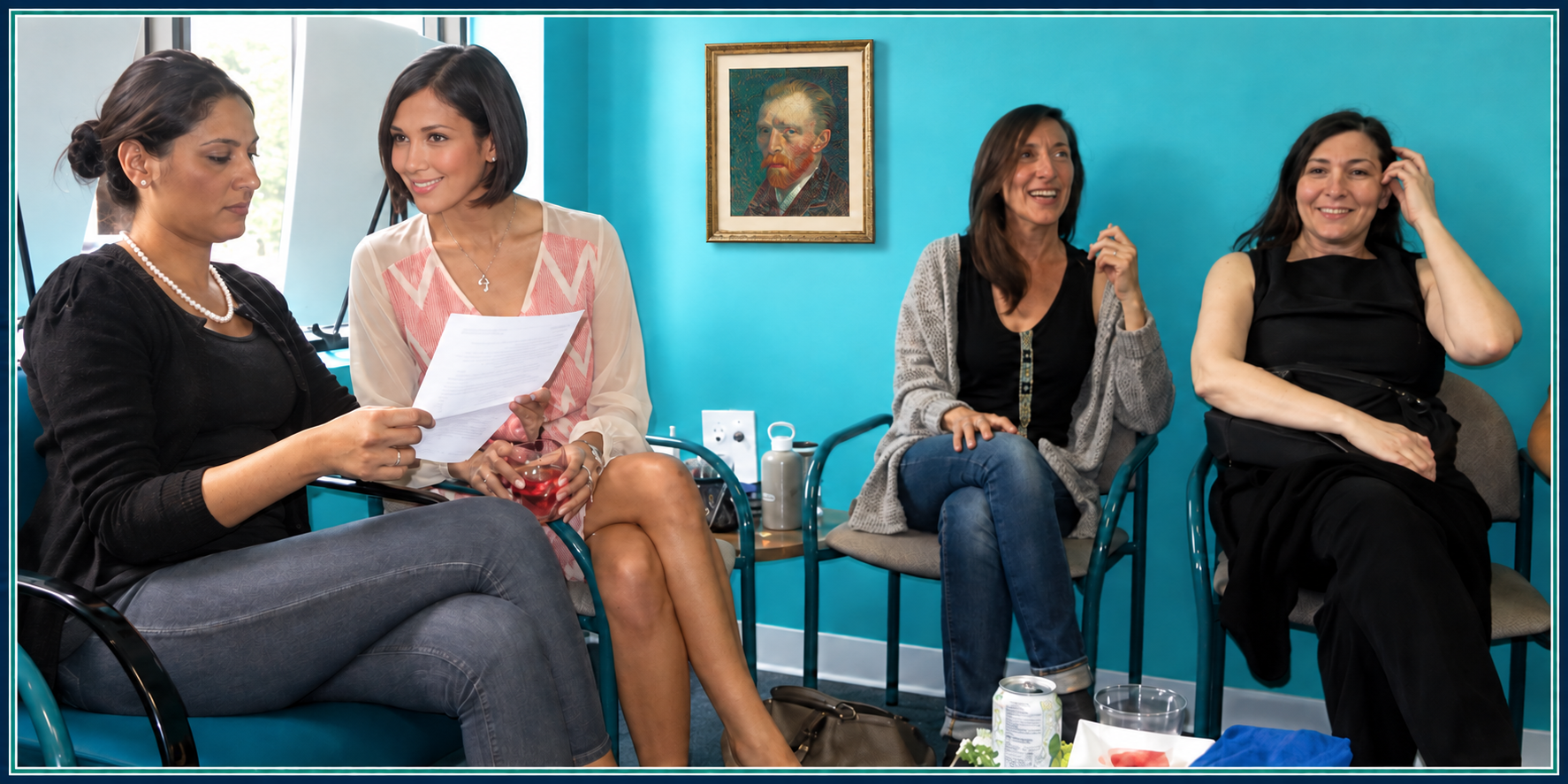
The petition process gave us a place to start. I organized gatherings at The Healing Clinic and took our outreach to events around Illinois, inviting my patients and the public to participate. With help from my advocates, people could ask questions, work through the requirements and become part of the effort to expand eligibility. Government paperwork was not the most glamorous reason to get together. Still, we had a good reason to make an occasion of it.
Four more weeks mattered.
The original state rule created a one-month petition window running from January 1 through January 31. The additional time gave Illinois residents another four weeks to prepare their cases—and gave us four more weeks to help them do it well.
Illinois Department of Public Health
Compassionate Use of Medical Cannabis Patient Registry
Notice of Emergency Amendments
77 Ill. Adm. Code 946
Effective December 22, 2014
Section 946.30
The original open period for accepting petitions ran from January 1 through January 31.
The original rule
Before the extension, there was a much shorter clock.
The January 2, 2015 edition of the Illinois Register preserves the original IDPH emergency rule. Printed page 444 begins the official notice; Section 946.30 on printed page 456 states the January 1–31 petition window.
View the original Illinois Register notice ↗The January gathering
Please Bring Your Paperwork. We’ll Do the Rest.
If you hear “petition” and picture adding your signature to a clipboard, I understand. That would have been considerably easier. These petitions asked people to make a documented case for adding a medical condition to the program. Each condition required its own petition, explanation, supporting research, copies and submission materials.
Doing it together made sense. We could translate the instructions, answer questions and reach people beyond those who already knew the clinic. You did not have to be my patient to care about the issue. The invitation was open to the public because I wanted the public involved.
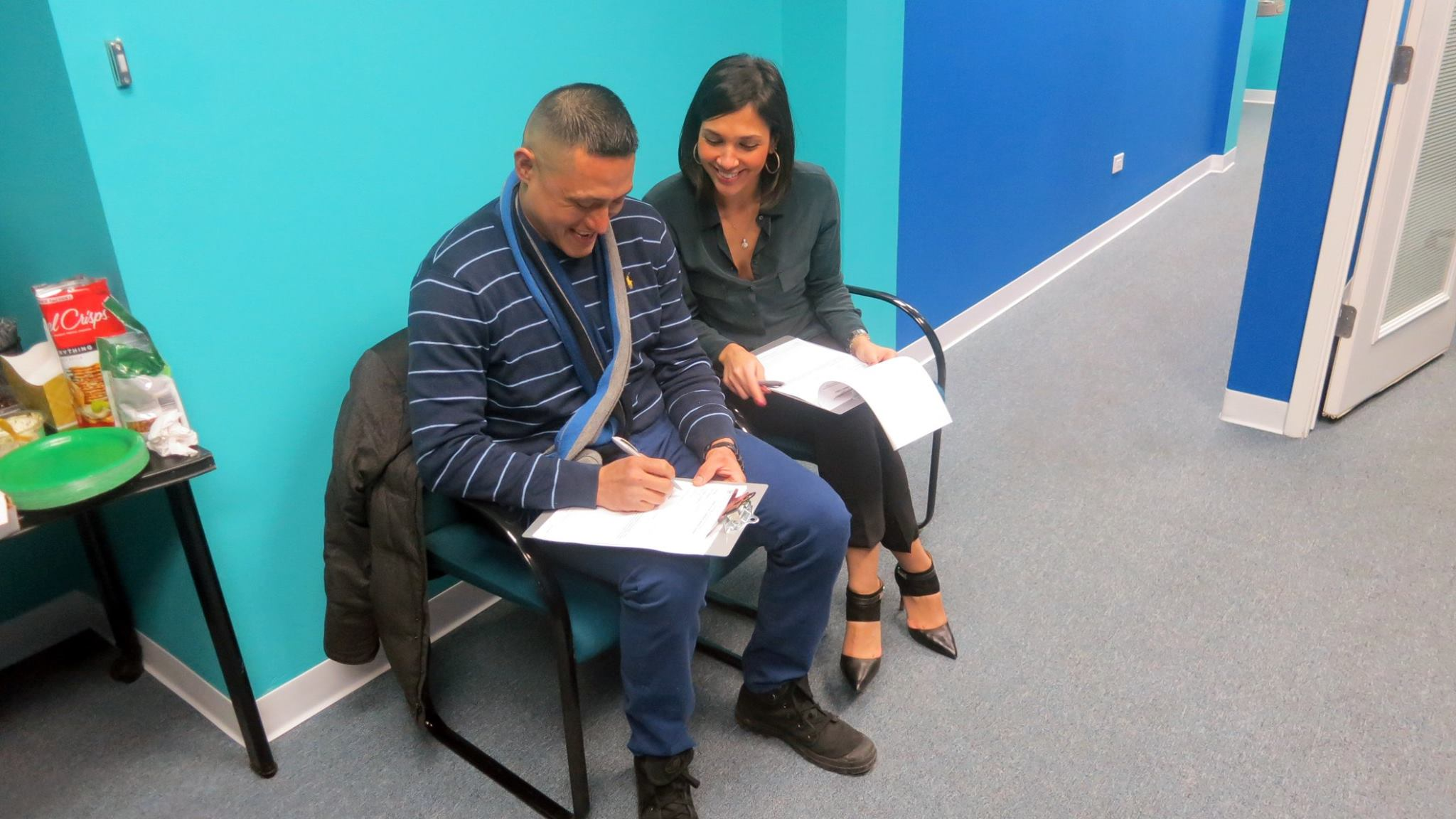
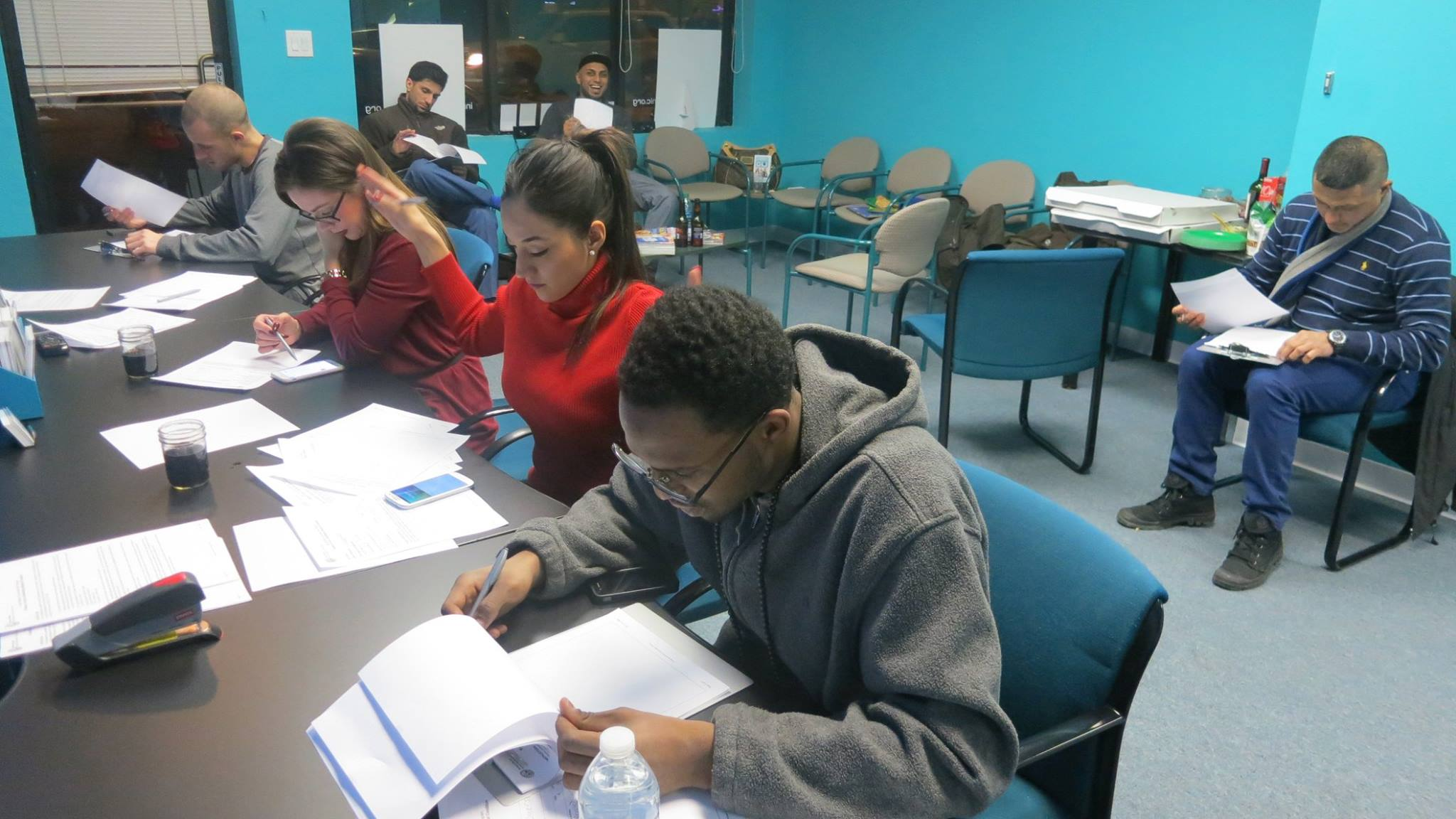
Completed in one evening
Seventy-two reasons to keep going.
Our January 21 gathering produced 72 completed petitions. That number belongs to everyone who showed up, shared information, helped with paperwork and refused to let a complicated process silence a legitimate request.
From the video archive · FOX 32 Chicago
The work entered the public conversation.
By April 2015, Feliza Castro and The Healing Clinic had carried the Illinois medical cannabis petition campaign from clinic tables to outreach events across the state—and into the public conversation. This preserved FOX 32 report belongs here as part of that progression: patients organized, the paperwork accumulated and the questions they were raising became increasingly difficult to ignore.
My story
Why I submitted my own petitions
My commitment to this drive was personal. Alongside the patients and community members who participated, I submitted my own petitions for anxiety and PTSD.
I grew up in a chaotic household, and anxiety has been a baseline in my life for as long as I can remember. It is something I have struggled with deeply, including during years when, from the outside, I may have appeared capable, ambitious and entirely in control. Building a business and raising a daughter did not make that struggle disappear. Those responsibilities existed alongside it.
PTSD came later, after severe betrayals by people I trusted deeply. I am choosing to keep the details of those experiences private here. What matters to this story is their lasting effect on me—and how that experience informed the care I brought to my work with patients.
I understood that someone could be accomplishing things, caring for a family and showing up for other people while privately struggling. That awareness mattered at The Healing Clinic. I wanted people to have room to explain what they were experiencing without feeling they first had to prove they were suffering enough to deserve attention.
I could not promise my patients an outcome, and I could not promise myself one. But I could organize opportunities to participate, help people make their requests and submit my own alongside theirs.
In my own words
Our Purpose
Before there were hundreds of petitions, public hearings and television cameras, there was a simple reason for doing all of this: people needed help.
In December 2014, Inside Publications asked me why I had created The Healing Clinic. My answer appeared in print before the petition drive unfolded.
“We are doing this to help people and to contribute to the progress of the medical cannabis evolution that is happening right now.”
Feliza Castro · Inside Publications · December 10, 2014
It may have sounded ambitious. It was ambitious. But it was also true.
The clinic was never intended to be merely a place where people completed paperwork. We were building a place where patients could be heard, where complicated rules could be translated into practical guidance and where people excluded from the program could organize around the conditions affecting their lives.
The petitions were a natural extension of that purpose. If the law did not yet recognize our patients, we would help our patients speak directly to the people responsible for changing it.
Contemporaneous reporting
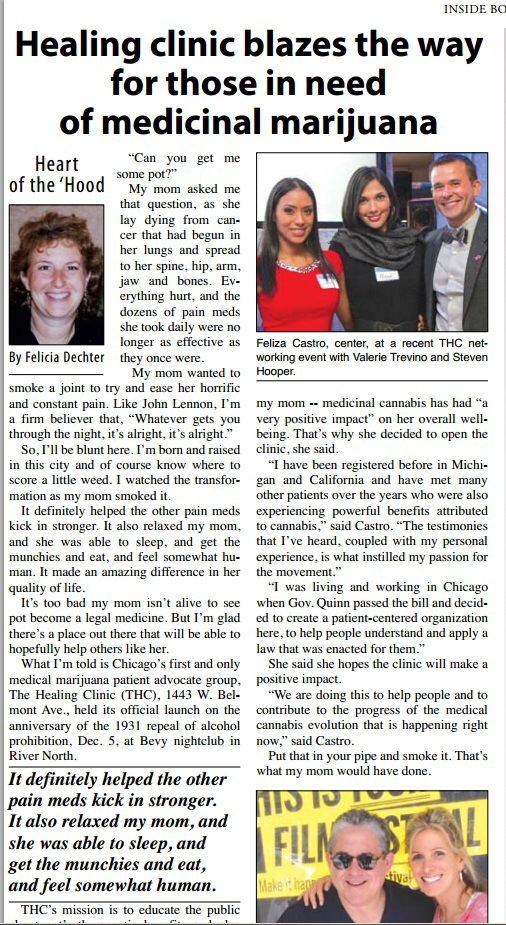
“Healing Clinic Blazes the Way for Those in Need of Medicinal Marijuana”
By Felicia Dechter · Inside Publications · December 10, 2014
The article records The Healing Clinic’s patient-centered mission in Feliza Castro’s own words at the very beginning of the organization’s work.
Read the original newspaper PDF ↗The extended period
More time, same urgency
An extension is not an invitation to wait until the last possible minute. A strong petition needed attention: the right form, a focused request, supporting information, the required copies and certified mailing. February 28 may have sounded comfortably distant. Calendars have a wicked sense of humor.
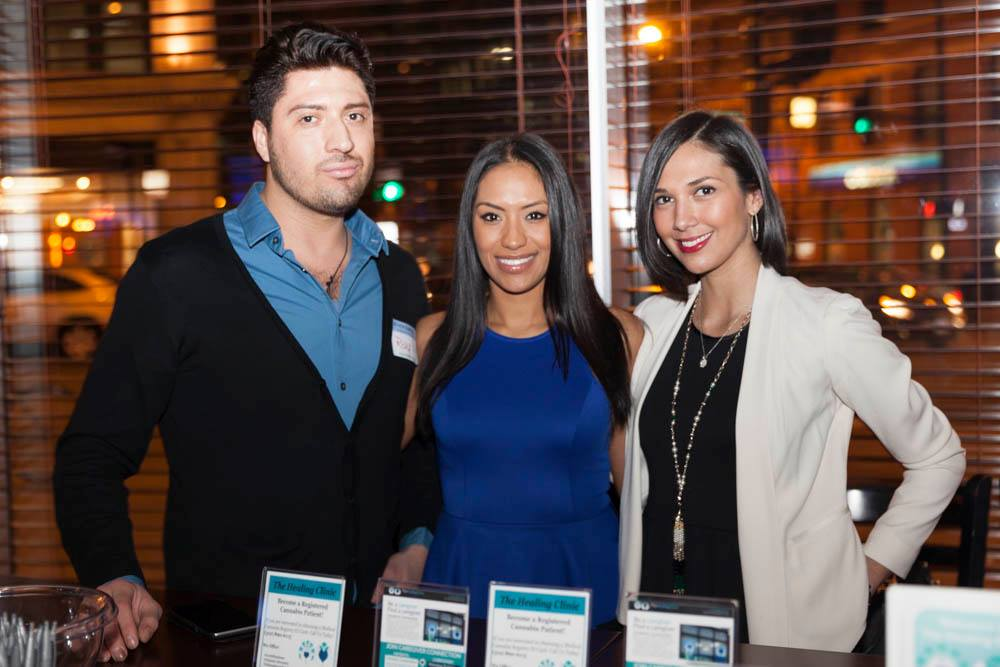
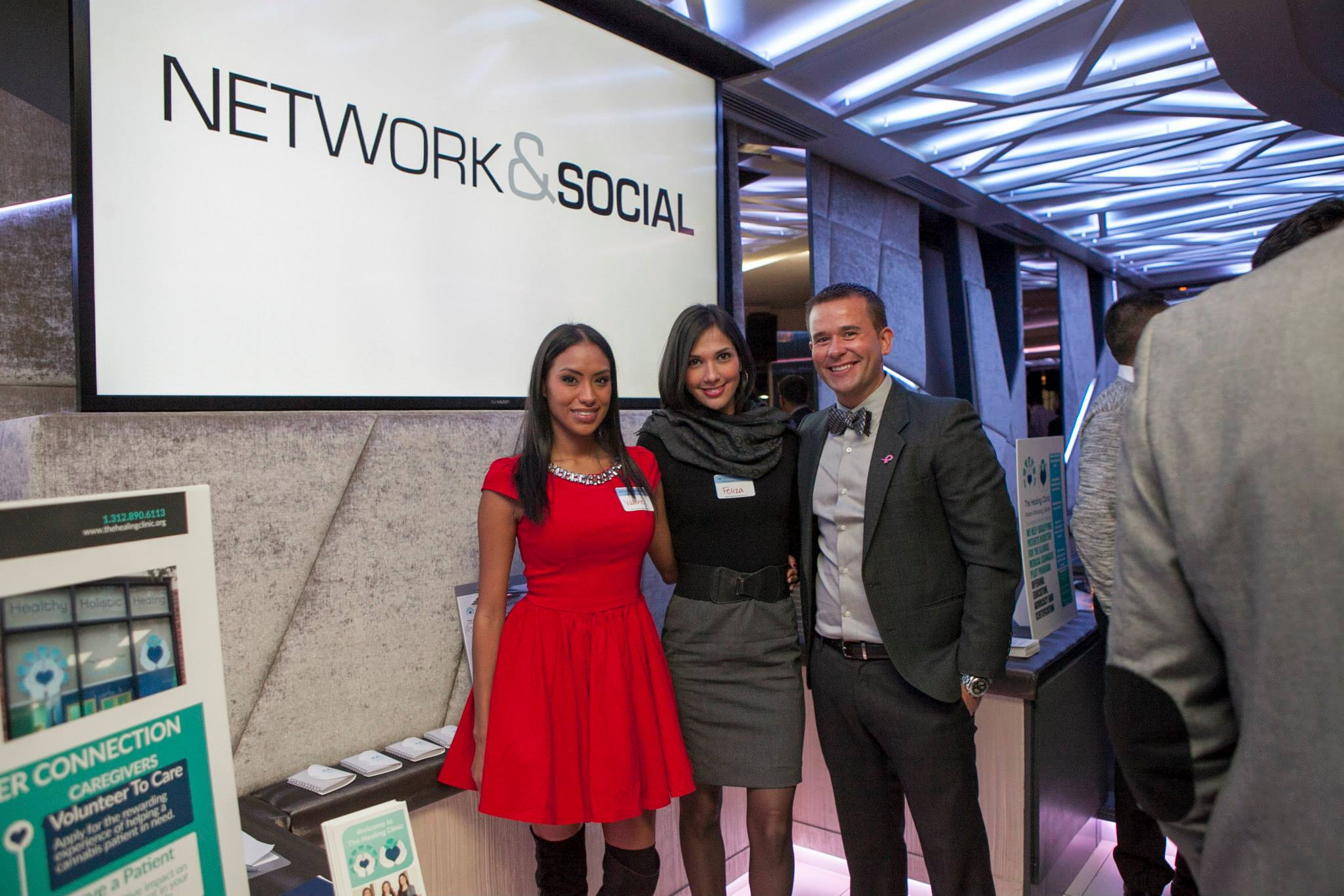
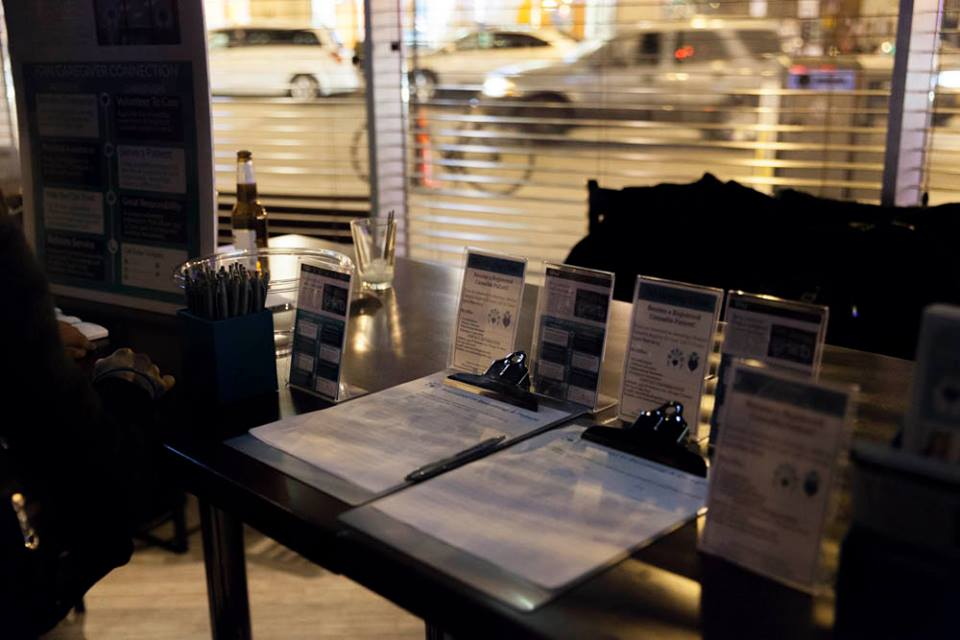
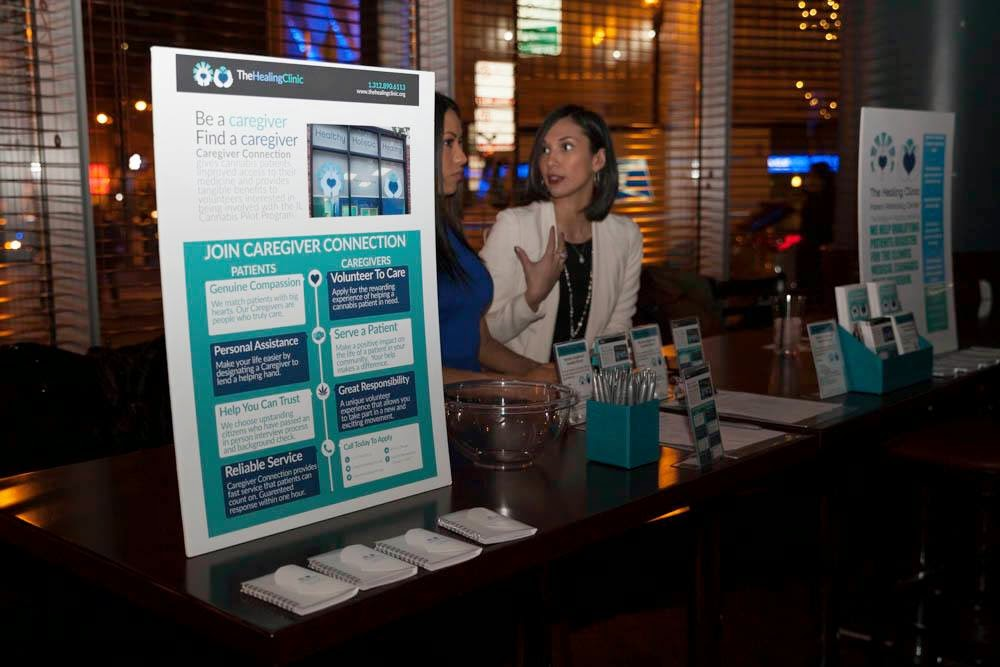
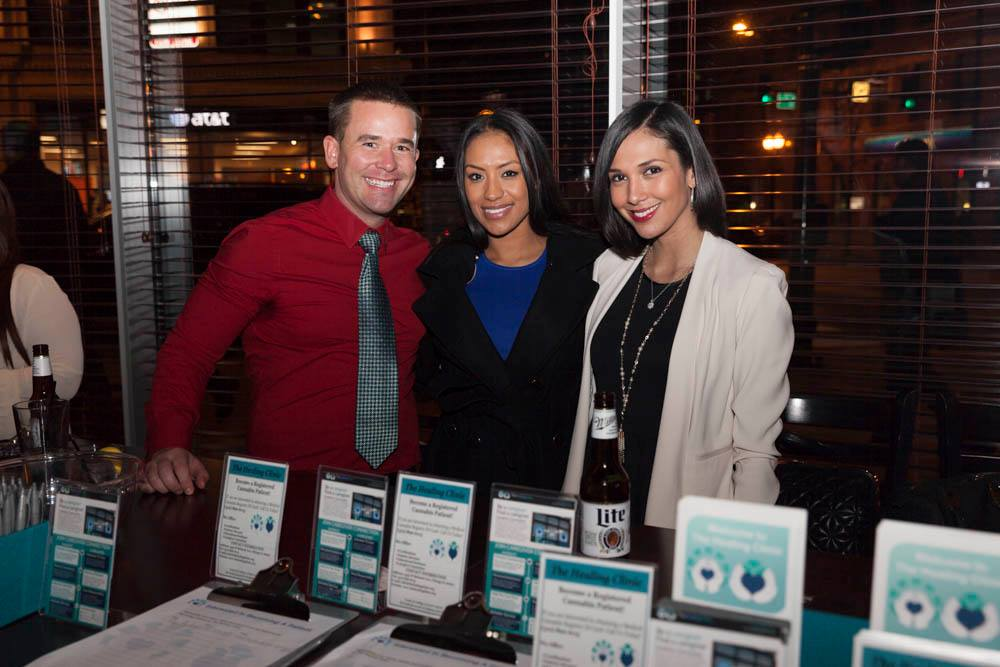
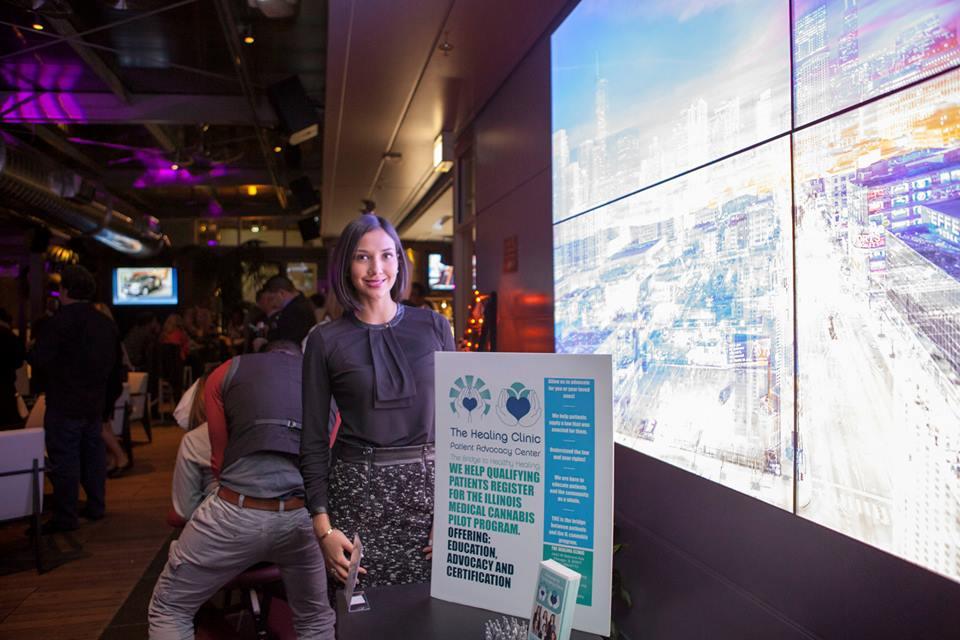
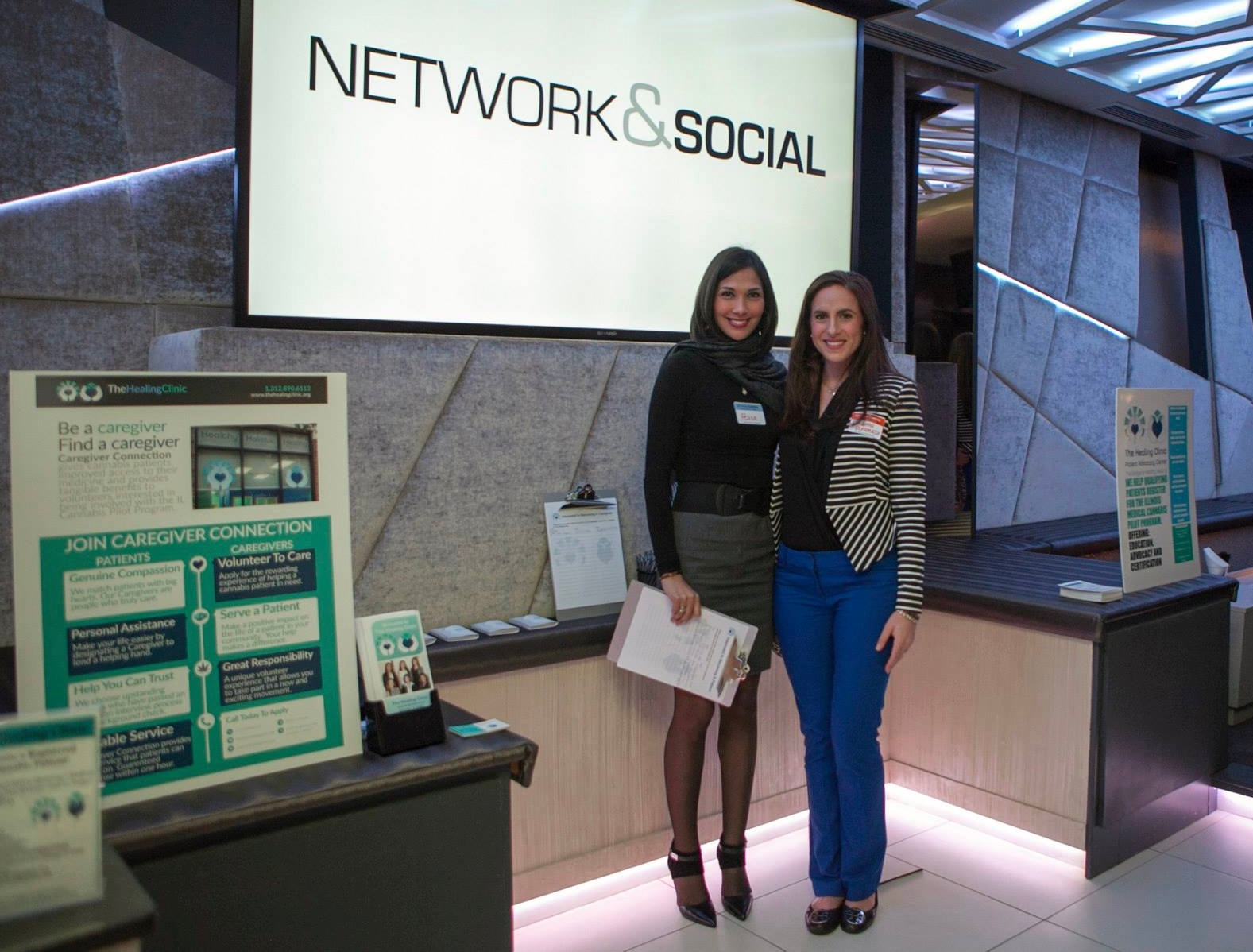
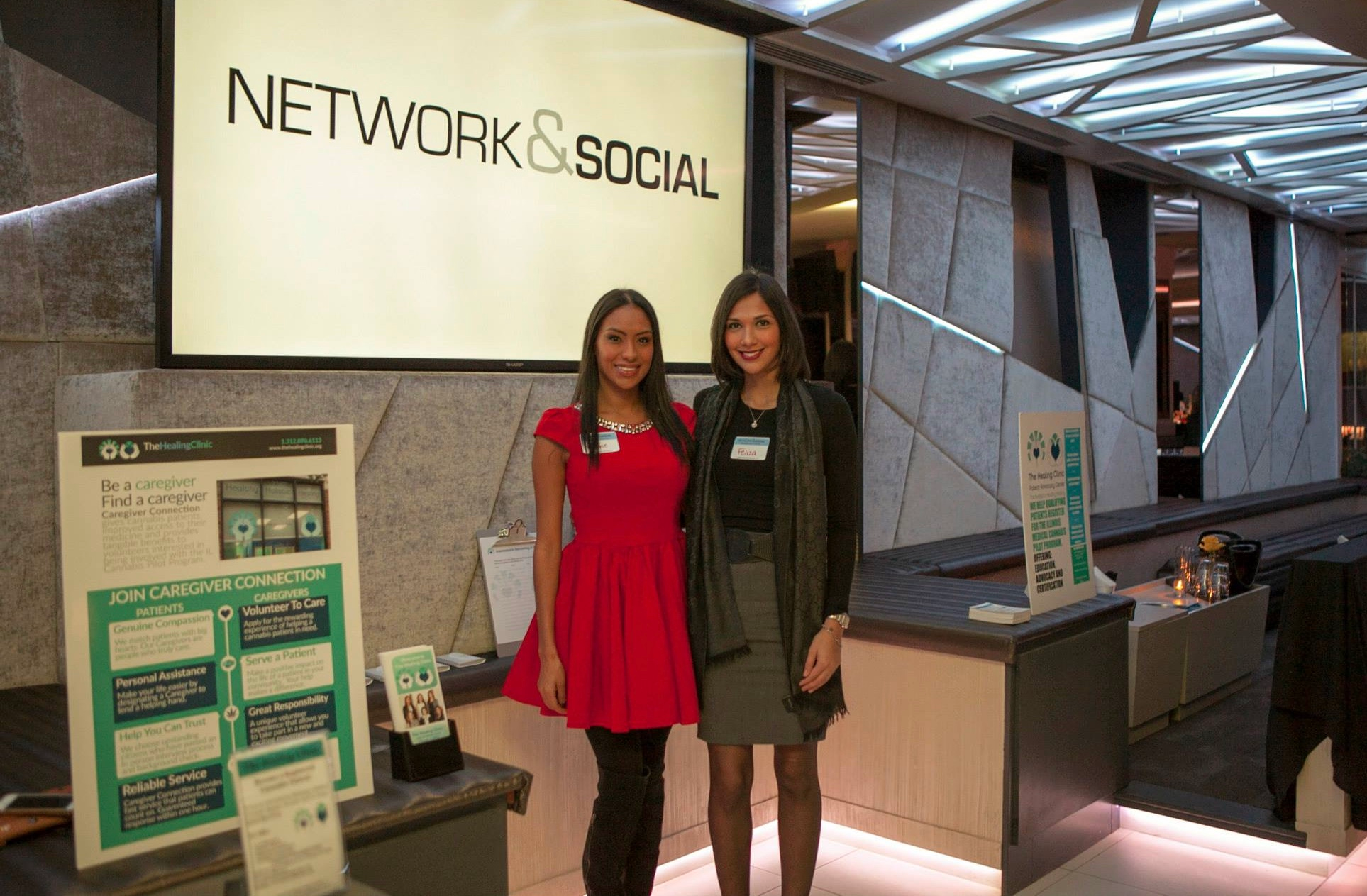
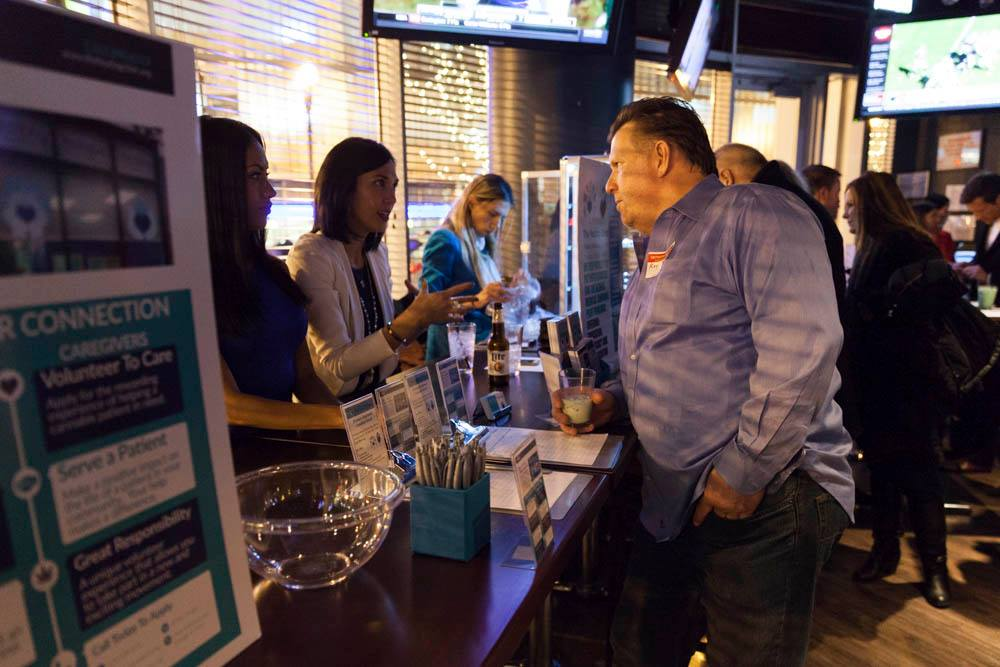
We used the additional time productively. We hosted our own petition-assistance events, kept helping people at the clinic and brought the campaign to community events around Illinois. Sometimes the work meant planning the room ourselves; sometimes it meant arriving where people were already gathered, explaining the process and making sure they knew their experiences could become part of the state’s official record.
That sustained outreach is an important part of this history. More than 200 petitions did not materialize from a single evening or a single photograph. They came from weeks of organizing, traveling, answering questions, assisting petitioners and following the paperwork through after the event was over.
Behind the scenes
Can Hard Work Survive the Bureaucracy?
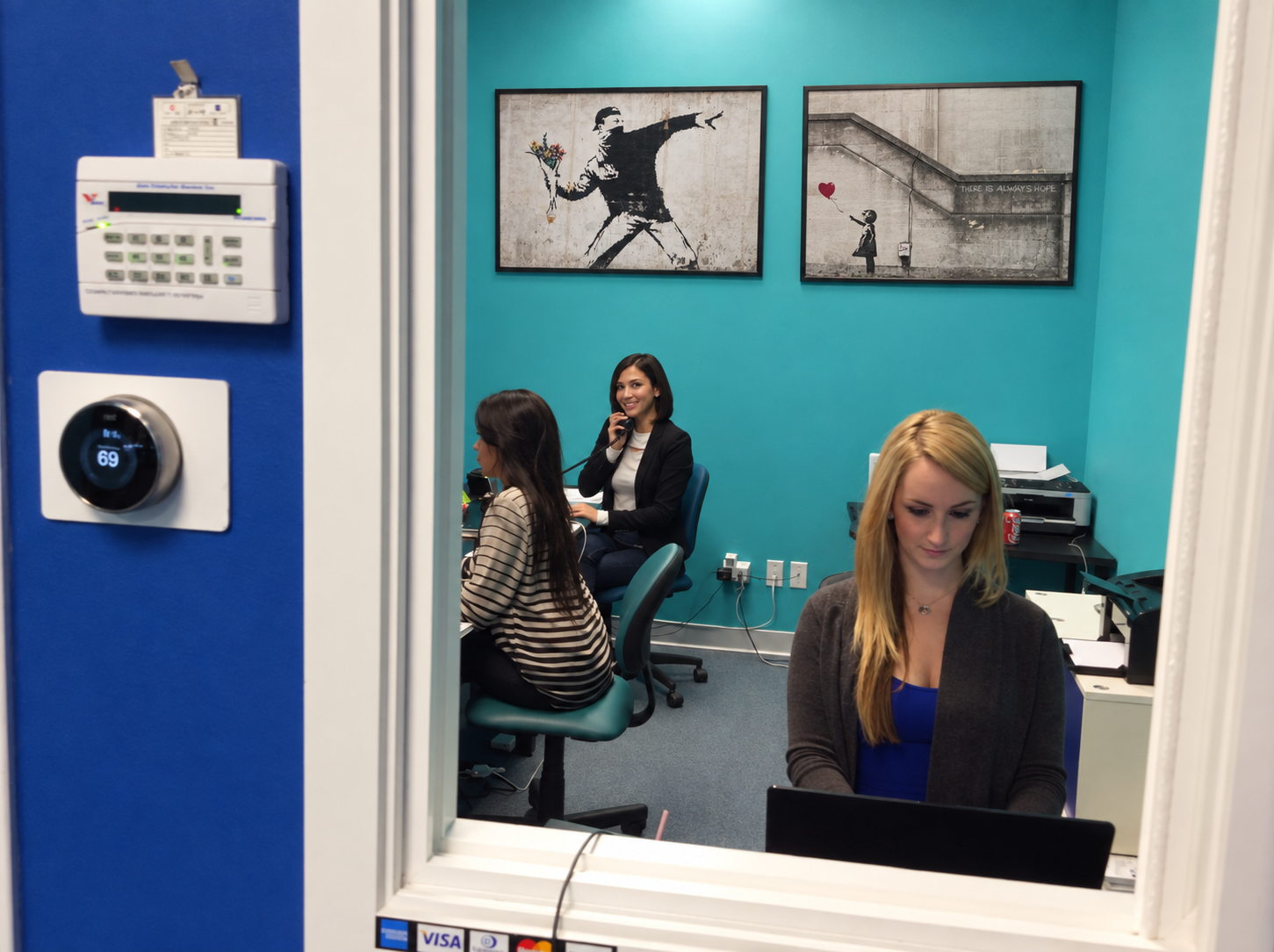
My advocates were essential. Organizing the events was one part of the undertaking; reviewing, processing and preparing the submissions was another. Each petition had to be treated as a serious government filing, because that was exactly what it was.
I am proud of what I organized, and I want to be equally clear about the people who helped make it happen. Their work allowed us to do more than I could have managed by myself—and helped turn a series of gatherings into an organized record of what Illinois patients were asking the state to recognize.
The result
More than 200, submitted.
By the end of the drive, my advocates and I had assisted with, gathered and submitted more than 200 petitions on behalf of the people who participated.
Given what went into each submission, I think we were entitled to feel proud of that. Patients and members of the public had taken part, and our advocates had turned clinic gatherings and outreach at events around Illinois into formal requests submitted to the state for consideration. My own petitions were among them.
Submission did not guarantee approval. But it was a concrete result, and it belonged to everyone who helped get us there. We had done our part. Now we wanted to know what Illinois intended to do with it.
Archive references
The record behind the story
Historical IDPH petition form
The recovered form preserves the instructions, supporting-material requirements and submission process used during the petition drive.
Inside Publications: The Healing Clinic’s purpose
Felicia Dechter’s December 10, 2014 column documents Feliza Castro’s early patient-centered mission in her own words.
WTTW Chicago: contemporary petition coverage
WTTW’s January 7, 2015 report documents Illinois’ early process for adding qualifying conditions.