
How You Can Help Shape the Medical Cannabis Program in Illinois
Giving Illinois patients a voice: The Healing Clinic’s call to expand qualifying conditions through public petitions.
January 8, 2015 · From the Archives
A medical condition does not become less painful because it is missing from a state-approved list. Yet for some Illinois residents, that list is exactly what stands between them and eligibility for the medical cannabis program.
At The Healing Clinic, we hear from people who are suffering and want to know whether they qualify. Sometimes, the answer comes down to a frustrating detail: their condition is not included. Explaining that rule is part of our work. Helping people ask for it to change is part of our work, too.
This January, Illinois residents have an opportunity to petition the state to add qualifying conditions. I want to make sure the people who need that opportunity know it exists—and have some help using it. So we’re getting the paperwork ready, gathering our materials, and inviting you to join us.
A place for patients in the conversation
There is a considerable distance between living with an illness and finding the energy to make a formal case about it. The people calling our clinic are already dealing with the first part. A complicated submission process should not leave them feeling that the second part is out of reach.
The petition process gives Illinois residents a way to ask the Department of Public Health to review a condition for inclusion. It takes preparation, supporting information, and a willingness to work through the details. Glamorous? Hardly. Worth doing? Absolutely.
“It’s exciting to be given a chance to make changes that could potentially benefit thousands of people.”
FELIZA CASTRO
Your petition is more than a signature
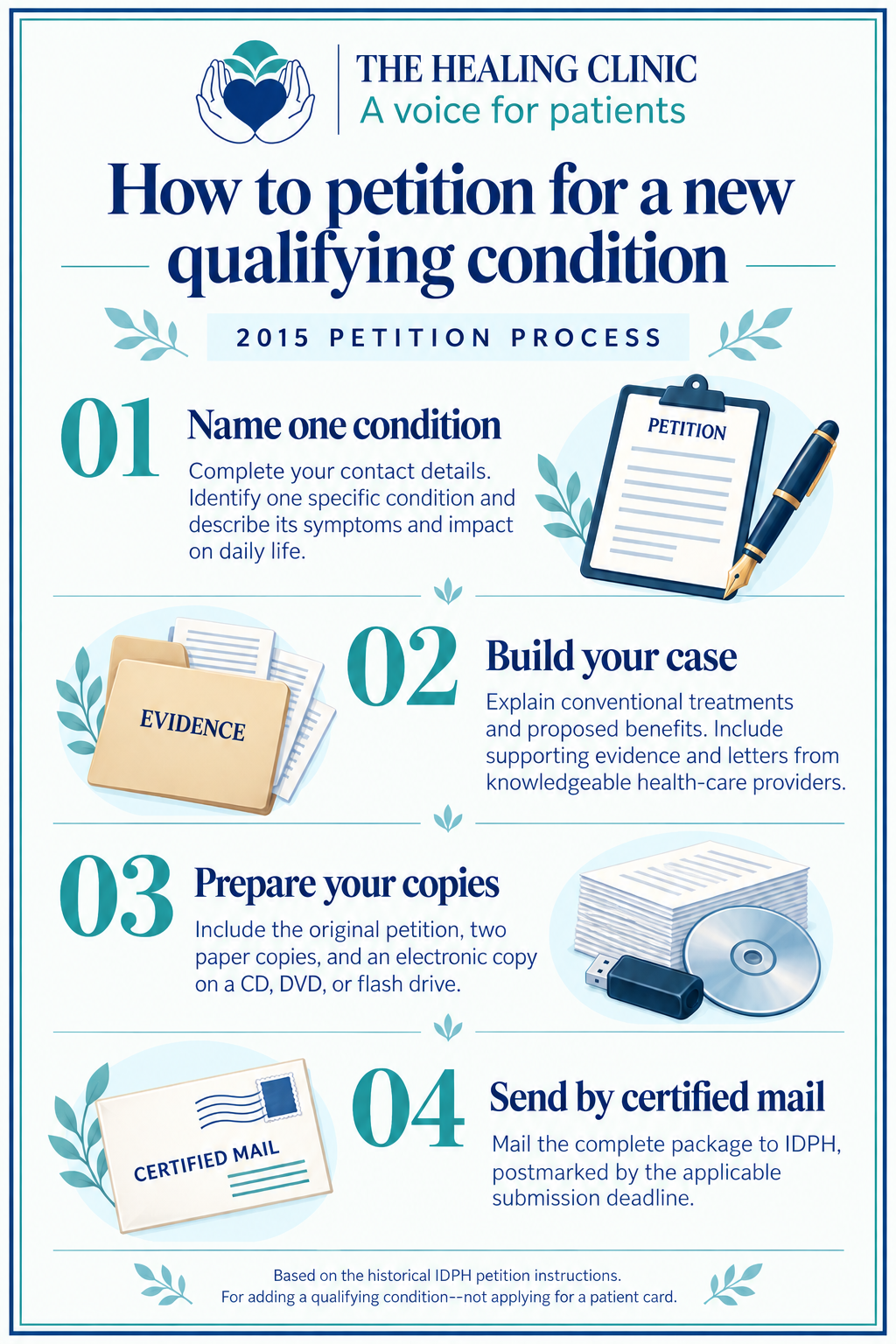
If the word “petition” brings to mind a clipboard and a quick signature, this one asks a little more of us. The Illinois petition form calls for a detailed request about one specific medical condition. This is the process for asking the state to consider adding a condition; applying for an individual patient registry card is a separate matter.
Start with the condition itself: what it is, the symptoms it causes, and how the illness or its treatments affect daily life. The form also asks about conventional therapies and the proposed benefits of medical cannabis. Supporting evidence and letters from knowledgeable health-care providers help make the case. There is room to explain, and that room matters.
Then come the copies: the original petition, two paper copies, and an electronic copy on a CD, DVD, or flash drive. The complete package must go by certified U.S. mail to the Illinois Department of Public Health in Springfield. Yes, even an effort to move policy forward involves keeping track of the photocopies.
It is a substantial packet to assemble, especially when you are already managing an illness. That is where we can help. We’re providing materials and mailing assistance so participants have practical support with the process.
Come over and write with us
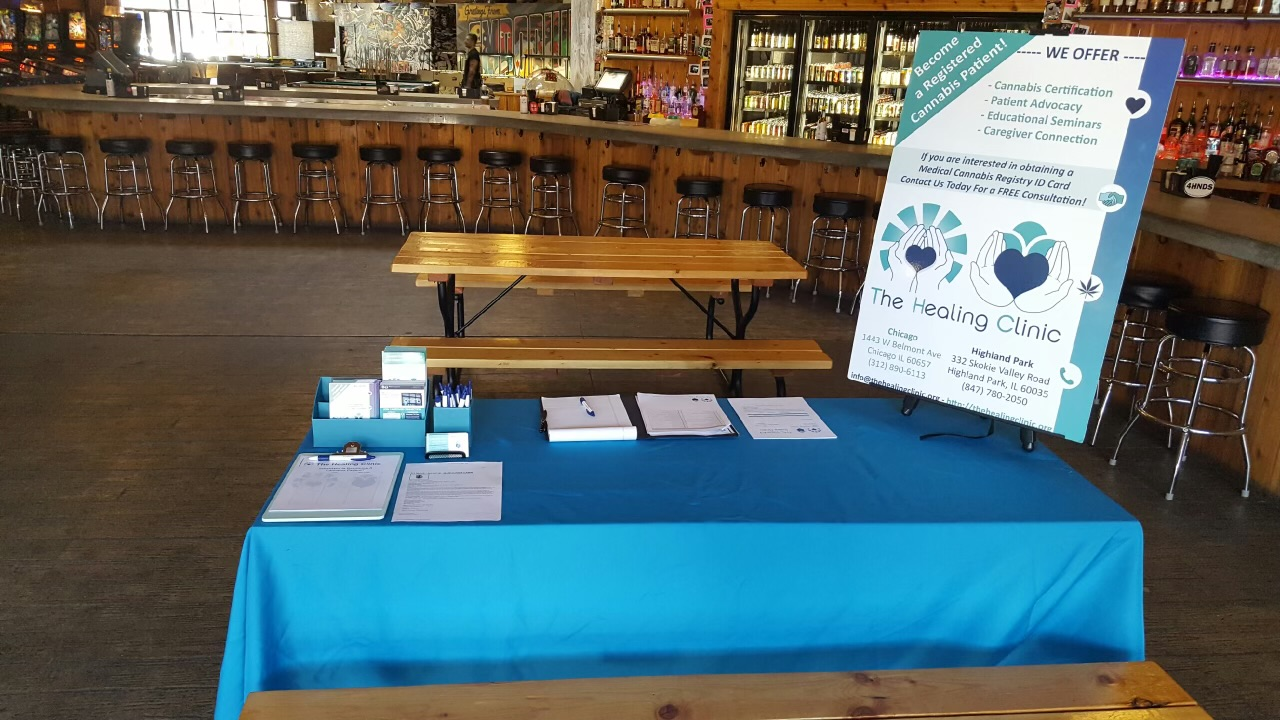
On Wednesday, January 21, from 6 to 8 p.m., we’re inviting patients and advocates to The Healing Clinic to work on petitions together. We’ll provide the necessary materials and mail completed submissions on participants’ behalf.
The state’s January 31 deadline gives this work a clear sense of urgency. Our January 21 gathering leaves time to prepare the paperwork, assemble supporting documents, and get submissions ready to mail. If you have been wondering how to take part, this is your invitation.
JOIN US · JANUARY 2015
An evening to help shape the medical cannabis program
Wednesday, January 21, 2015 · 6–8 p.m.
The Healing Clinic
Work on your petition with us. We’ll provide materials and help mail completed submissions to the Illinois Department of Public Health.
Submission deadline: January 31, 2015.
What happens after we mail it?
First, the department checks whether a petition meets its submission standards. Accepted petitions go to the Medical Cannabis Advisory Board for review before a public hearing. After that hearing, the board reports its findings and recommends approval or denial to the department’s director.
A completed petition does not guarantee that a condition will be added. There is still a review process and a decision ahead. But a carefully prepared submission gives the state something specific to consider: a condition, an explanation, and evidence supporting the request.
That is why I’m asking people to participate. We can explain the barriers we encounter at the clinic, but residents also deserve the opportunity to bring their own concerns into the process. Preparing a petition is one concrete way to do that.
I would love to see you on January 21. We have work to do—and we can do some of it together.
The Petition
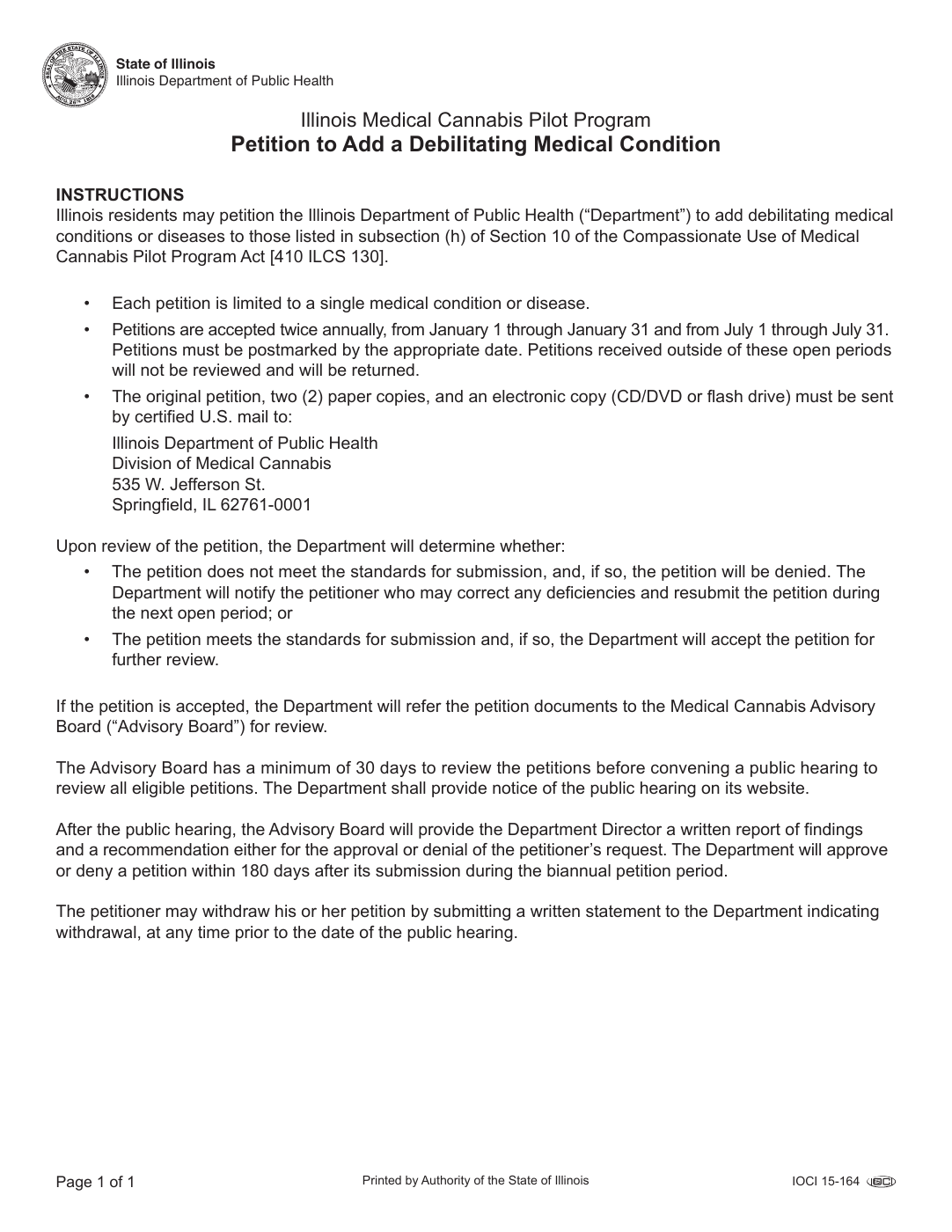
The first page explains the submission requirements and review process. Open the full six-page document for the instructions and petition form.
Archive references
ILLINOIS DEPARTMENT OF PUBLIC HEALTH
The state’s historical program page
The legacy IDPH page documents the historical petition requirements and the state’s review process.
ILLINOIS GENERAL ASSEMBLY
The legal framework for adding conditions
Section 45 explains the statutory petition framework. This link displays the amended law; the petition above is the source for the 2015 procedures described here.
NEXT IN THE ARCHIVE · JANUARY 29, 2015
UPDATE: Extended Submission Period for Petitions!
Archive note: This expanded edition is written from the perspective of January 8, 2015. Dates and petition instructions reflect that period.